
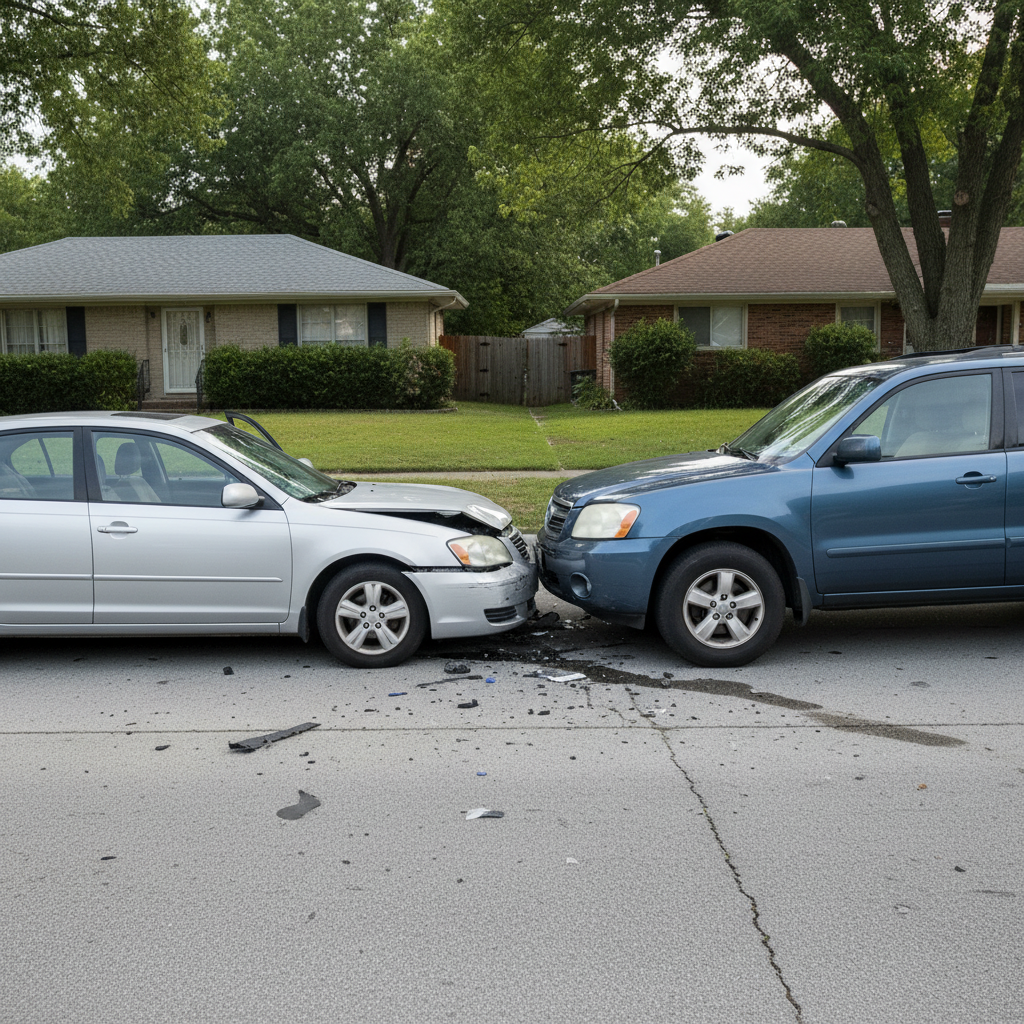
What to Do After a Car Accident — Even If You Feel Fine
If you’ve recently been in a car accident—even a minor one—you might feel perfectly normal in the moment. But hidden injuries are extremely common, and symptoms can take hours or even days to appear. Taking the right steps immediately protects your health, strengthens any insurance claim, and helps you avoid long‑term pain. This guide explains exactly what happens in the body after a collision and why seeing a chiropractor is one of the most important steps you can take.
Why You May Feel “Fine” After a Collision
Right after an accident, your body floods with adrenaline and stress hormones. These chemicals temporarily block pain, increase alertness, and help you react quickly. While helpful in the moment, they also mask symptoms of soft tissue injuries, spinal misalignments, and joint damage.
Neck pain, headaches, back stiffness, and radiating discomfort can all develop hours or days later as inflammation increases and adrenaline wears off. This delayed onset is why early evaluation is so important—even when you believe nothing is wrong.
Step 1: Document the Scene and Seek Immediate Medical Evaluation
Even if your accident seems minor, document everything. Take photos of the vehicles, road conditions, visible injuries, and license plates. Exchange insurance information with all involved parties and file a police report, even for small collisions.
Next, get a medical evaluation right away. Emergency providers are excellent at identifying serious, life‑threatening injuries, but they often do not assess the spine in detail. Following up with a chiropractor ensures your musculoskeletal system is evaluated thoroughly for subtle issues that may surface later.
Step 2: Watch for Common Delayed Symptoms
Many accident-related symptoms develop gradually. Pay close attention in the days following your collision. Signs of hidden injuries include:
- Neck stiffness or limited range of motion
- Headaches, especially at the base of the skull
- Upper or lower back pain
- Shoulder tightness or discomfort
- Fatigue, dizziness, or trouble concentrating
- Tingling or numbness in your arms or legs
These symptoms often indicate whiplash, spinal misalignments, or soft tissue injuries that respond well to early chiropractic care.
Step 3: Why a Chiropractic Exam Matters After a Car Accident
Car accidents—even at speeds as low as 5 mph—can disrupt spinal alignment and strain muscles, ligaments, and joints. Chiropractors specialize in detecting and treating these injuries before they worsen.
During an exam, your chiropractor may assess posture, neck and spine mobility, muscle tension, and nerve function. They may also order X‑rays if necessary to check for structural issues. Addressing problems early helps prevent chronic pain, recurring headaches, and long-term mobility limitations.
How Chiropractic Care Helps After a Car Accident
Chiropractic treatment restores proper alignment, reduces inflammation, and promotes natural healing without medication. Common therapies include:
- Spinal adjustments: Realign vertebrae affected by the impact
- Soft tissue therapy: Reduce muscle tension and scar tissue formation
- Spinal decompression: Relieve pressure on discs and nerves
- Rehabilitation exercises: Strengthen stabilizing muscles and improve range of motion
- Cold laser or therapeutic ultrasound: Support healing and reduce inflammation
Together, these therapies help restore proper function, reduce pain, and prevent long-term complications.
Step 4: Notify Your Insurance Company
Always notify your insurance provider after a collision, even if you don’t think you’re injured. Over time, symptoms may develop that require treatment. Having documentation in place protects your right to coverage. Many insurance plans recognize chiropractic care as an essential part of post-accident recovery.
Step 5: Follow Through With Your Care Plan
Healing after a car accident is a process. Even if you start feeling better quickly, completing your recommended chiropractic treatment plan is essential. Soft tissue injuries take time to repair, and stopping care too soon increases the risk of reinjury, recurring pain, or chronic tension patterns.
What Happens If You Ignore Minor Pain After an Accident?
Small untreated issues can turn into long‑term problems. Untreated whiplash may lead to headaches, neck instability, or early degeneration of cervical discs. Minor back pain can develop into sciatica or chronic inflammation. Early care prevents these issues by restoring function before compensations develop.
FAQ
Can I be injured in a low-speed accident?
Yes. Even low-speed collisions generate forces strong enough to strain ligaments, muscles, and spinal joints. Many whiplash cases occur under 15 mph.
How soon after a car accident should I see a chiropractor?
Ideally within 24–72 hours. Early evaluation helps identify subtle injuries before they worsen and supports a faster recovery.
What if I don’t have pain right away?
That’s completely normal. Symptoms can take days to surface due to inflammation and adrenaline. It’s still important to get checked.
How long does chiropractic treatment take?
Every injury is different. Some patients need only a few visits, while others with more significant soft tissue damage may require several weeks of care.
Can chiropractic care help with headaches after a car accident?
Absolutely. Many accident-related headaches stem from neck tension, whiplash, or restricted spinal movement. Chiropractic adjustments help relieve the underlying causes.
Even if you feel fine immediately after an accident, getting evaluated protects your health and helps prevent long-term pain. Prompt chiropractic care ensures hidden injuries don’t go untreated and supports a smoother, more complete recovery.