
Is Spinal Decompression Right for You? Herniated Disc Treatment Without Surgery
Non-surgical spinal decompression is a gentle, traction-based therapy that may be used to help relieve pressure in areas of the spine associated with disc-related neck pain, back pain, or discomfort that travels into an arm or leg. At Hiers Chiropractic, spinal decompression therapy in Charlotte, NC, is never a one-size-fits-all solution. We begin with an individualized evaluation, explain your options in clear language, and build a plan around your symptoms, health history, goals, and clinical findings.
For some people, decompression may be one part of a broader conservative care plan that includes chiropractic adjustments, rehabilitation, massage or stretch therapy, and at-home movement guidance when clinically appropriate. Results vary, and while non-surgical care may help some patients manage symptoms and improve function, it cannot guarantee that surgery will always be unnecessary.
What Is Non-Surgical Spinal Decompression?
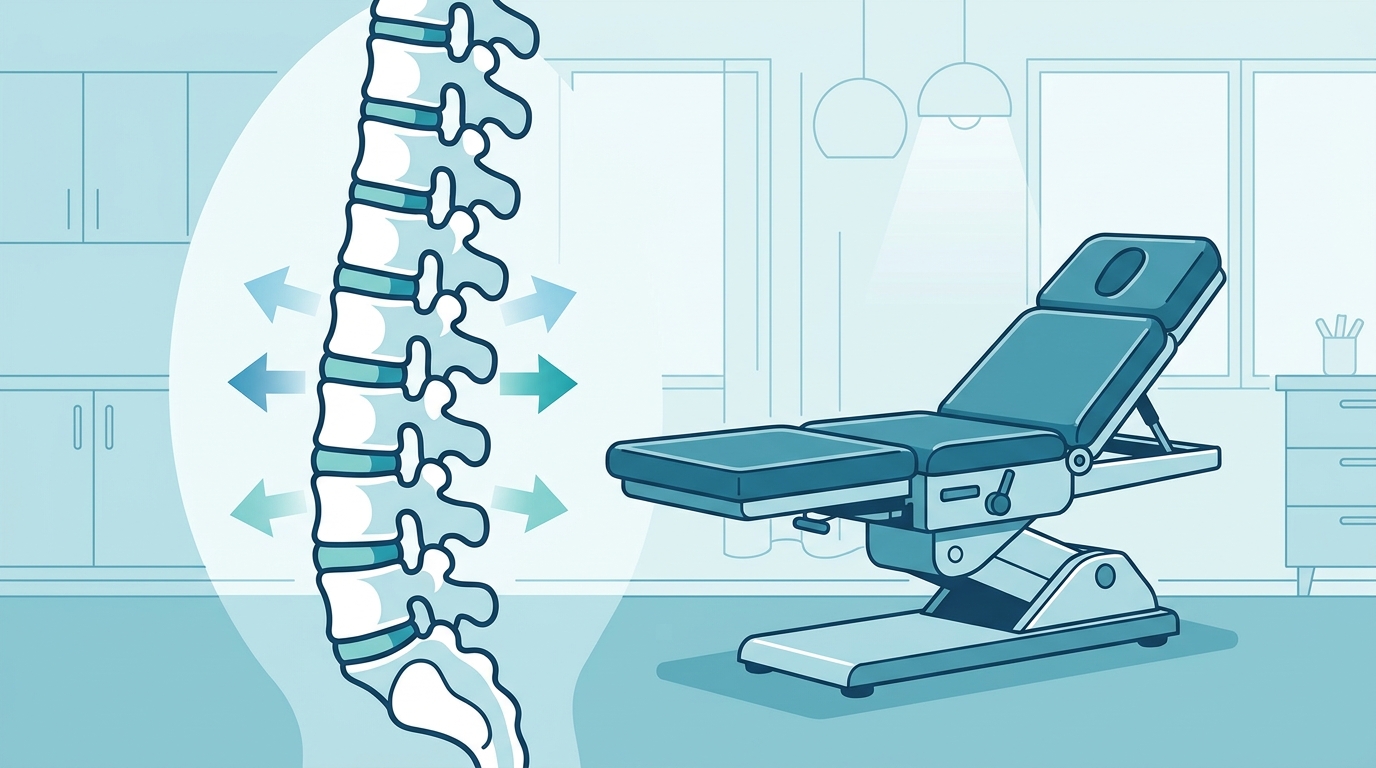
Non-surgical spinal decompression uses a specialized table to apply controlled, gentle stretching and relaxation cycles to the spine. Unlike simply “pulling” on the back or neck, the treatment is designed to create changing levels of traction in a carefully measured way. The goal is to reduce mechanical stress around spinal joints and discs while encouraging a more comfortable environment for movement and recovery.
During a session, you remain clothed and are positioned comfortably on the decompression table with supportive straps. Depending on the area being addressed, the table may slowly lengthen and release in repeated cycles. Most patients describe the sensation as a mild stretch or gentle pulling rather than pain. If anything feels uncomfortable, our team can adjust the positioning or settings.
At Hiers Chiropractic, we view spinal decompression as a non-invasive option within a holistic healthcare approach. It is not a replacement for a proper examination, and it is not appropriate for every condition or every patient.
How Discs Can Contribute to Neck and Back Discomfort
Spinal discs are soft, cushion-like structures located between many of the bones in the spine. They help absorb everyday forces and allow the spine to move. Over time, a disc can lose hydration, become irritated, or change shape. A bulging disc occurs when the outer portion extends beyond its usual boundary. A herniated disc generally involves a tear or weakness in the outer layer that allows inner disc material to push outward.
These changes do not always cause symptoms. However, when a disc change irritates nearby tissues or affects a nerve, it may be associated with localized neck or back discomfort, stiffness, muscle guarding, or symptoms that travel away from the spine. For example, irritation in the neck can sometimes be linked with discomfort, tingling, or numbness into the shoulder, arm, or hand. In the low back, symptoms may travel into the hip, buttock, or leg.
Many factors can influence these symptoms, including posture, repetitive strain, lifting demands, muscle balance, prior injuries, and the body’s overall movement patterns. That is why a personalized assessment is important rather than assuming every episode of radiating discomfort has the same cause.
What to Expect at Your Consultation
Your first visit at Hiers Chiropractic starts with a conversation. We will ask about your symptoms, when they began, activities that make them better or worse, previous injuries, medical history, and what you hope to accomplish with care. If you were involved in a car accident, it is especially important to share details about the event and any symptoms that developed afterward, even if they seemed mild at first.
Our evaluation may include posture and movement observations, orthopedic and neurological screening, and an assessment of how your muscles and joints are functioning. When necessary, we may recommend imaging, request records, or refer you to another healthcare provider before beginning treatment. The purpose is to better understand whether decompression, chiropractic care, or another approach may be appropriate.
We will explain our findings in plain language and answer your questions before recommending a plan. You should understand the intended purpose of care, potential alternatives, what progress may reasonably look like, and when to contact another provider.
What a Treatment Plan May Include
If you are a suitable candidate, care may involve a series of decompression sessions scheduled according to your condition, response, and overall goals. Treatment plans are individualized; some patients may benefit from short-term symptom-focused care, while others may need a longer period of progressive rehabilitation and mobility work.
When clinically appropriate, Hiers Chiropractic may combine decompression with chiropractic adjustments to address joint motion and mechanical restrictions. Rehabilitation exercises may be used to support strength, movement control, posture, and confidence with daily activities. Massage therapy or guided stretching can help address muscle tension that may be contributing to discomfort or limiting mobility.
In some situations, laser therapy may also be considered as part of a broader conservative plan. The right combination depends on your examination, tolerance, preferences, and progress. We adjust care as needed rather than following a rigid template.
Who May Be a Candidate for Spinal Decompression?
Adults experiencing certain types of disc-related neck or back discomfort, recurring stiffness, or radiating symptoms may be considered for an evaluation. People whose symptoms are affecting work, exercise, sleep, or routine activities may want to discuss whether a non-surgical option could fit their care plan. Some patients also seek care after repetitive strain or an auto accident, although every injury requires its own assessment.
Being a candidate is not based on symptoms alone. Your health history, examination findings, imaging when available, bone health, prior surgery, and ability to safely tolerate traction all matter. The best next step is an individualized evaluation with a qualified provider rather than self-diagnosing from symptoms or online information.
When Decompression May Not Be Appropriate
Spinal decompression is not suitable for everyone. Certain conditions may make traction-based care inappropriate or require clearance and coordination with another medical provider. Examples can include an unstable spinal fracture, severe osteoporosis, spinal infection, an active tumor involving the spine, significant spinal instability, some surgical implants, or certain vascular conditions. Pregnancy, recent trauma, and complex medical histories also call for individualized clinical judgment.
Some symptoms need prompt medical attention rather than routine chiropractic treatment. Seek urgent evaluation for new or worsening loss of bowel or bladder control, numbness in the groin or saddle area, rapidly progressing weakness, severe unrelenting pain after major trauma, fever with significant back pain, unexplained weight loss, or other concerning changes in your health. These symptoms do not diagnose a condition on their own, but they deserve timely assessment by an appropriate medical professional.
Supporting Your Progress Beyond the Treatment Table
Spinal health is influenced by more than a single appointment. A thoughtful plan may include practical changes to lifting habits, workstation setup, sleep positions, walking, mobility routines, and strengthening exercises. These steps can support back pain relief and neck pain treatment goals while helping you move with greater confidence in daily life.
Hiers Chiropractic focuses on education as well as hands-on care. We will help you understand what may be aggravating your symptoms and offer manageable strategies that fit your routine. Our goal is to help you make informed decisions about your care and support long-term wellness without overpromising a particular outcome.
FAQ
Does non-surgical spinal decompression hurt?
Most people describe treatment as a gentle, controlled stretching sensation. It should not be painful. Let your provider know immediately if you experience discomfort during a session so the treatment can be adjusted or stopped.
How long is a spinal decompression session?
Session length can vary based on the treatment plan and any additional services included that day. Your provider will explain what to expect before care begins and will review the recommended schedule with you.
Can spinal decompression help a bulging or herniated disc?
Spinal decompression may be considered for some people with disc-related symptoms, but it is not a guaranteed solution and is not appropriate in every case. An examination is needed to determine whether it may be a reasonable conservative option for you.
Will I need chiropractic adjustments or massage therapy too?
Possibly. Depending on your needs, decompression may be combined with chiropractic adjustments, rehabilitation, massage therapy, stretching, or other conservative approaches. Your plan should be based on your individual findings and response to care.
Can spinal decompression keep me from needing surgery?
Some patients explore decompression as part of conservative care before considering more invasive options. However, outcomes vary, and no treatment can promise that surgery will always be avoided. If your symptoms or examination indicate that another type of care is needed, we will discuss appropriate next steps or referrals.
If you are looking for spinal decompression therapy in Charlotte, NC, schedule an evaluation with Hiers Chiropractic. Visit us at 4523 Park Road A-102, Charlotte, NC 28209, or call (704) 919-0411 to discuss your symptoms and learn whether a personalized care plan may be right for you.