
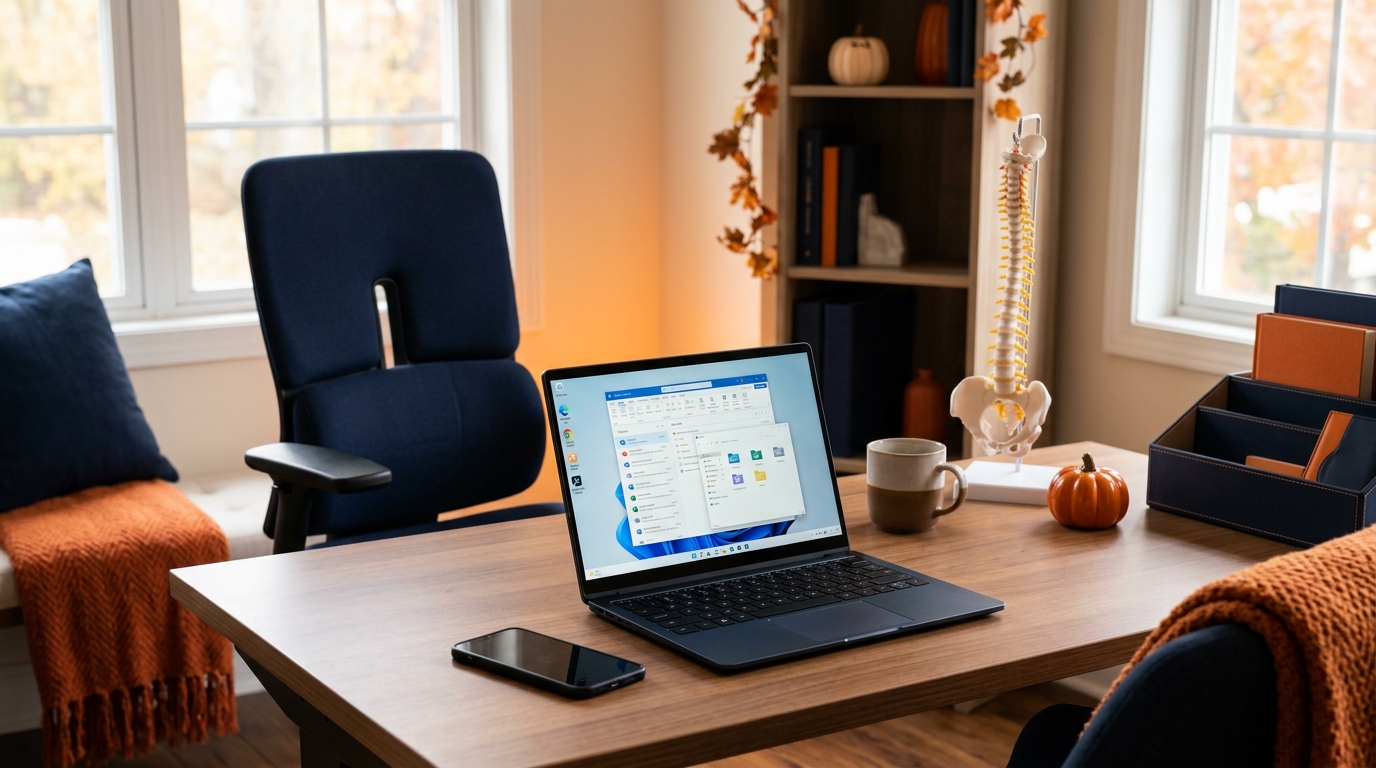
Halloween Posture Scares: Everyday Habits That Can Haunt Your Spine
Neck and back discomfort does not always begin with one obvious injury. Hours spent looking down at a phone, slumping at a desk, sleeping in an awkward position, or lifting heavy seasonal decorations can gradually place extra stress on muscles and joints. A few practical adjustments to posture, movement, and lifting habits may help you feel more comfortable and support better day-to-day mobility.
At Hiers Chiropractic, we help Charlotte, NC, patients look at the everyday patterns that may be contributing to discomfort. Personalized guidance begins with understanding your symptoms, health history, activities, and movement needs—not with a one-size-fits-all plan.
Phone Use Can Put Your Neck in a Strained Position
It is easy to lose track of time while scrolling, texting, reading, or watching videos. When your head stays tilted forward for extended periods, the muscles in the neck, shoulders, and upper back may have to work harder to support it. Over time, this position can contribute to stiffness, tension, headaches, or soreness around the shoulders and upper spine.
Try bringing your phone closer to eye level rather than repeatedly dropping your chin toward your chest. Support your elbows on a pillow, desk, or armrest when possible, and switch hands regularly. Short phone breaks matter, too. Every 20 to 30 minutes, look up, gently roll your shoulders, and move your neck through a comfortable range of motion without forcing it.
Slouched Sitting Can Affect More Than Your Low Back
Long periods of sitting may contribute to neck or back discomfort, especially when the lower back is rounded, the shoulders drift forward, and the screen is positioned too low. Slouching can leave certain muscles working overtime while others remain underused, which may affect how comfortable you feel by the end of the day.
A supportive sitting setup does not need to be complicated. Place both feet flat on the floor or on a stable footrest. Sit back in the chair so your lower back has support, and keep your screen near eye level. Your shoulders should be relaxed rather than lifted toward your ears. If you work at a laptop, consider using a separate keyboard and raising the screen on a stable stand or stack of books.
Good posture is not about staying perfectly still. Even a well-positioned body can become uncomfortable when it remains in the same position for too long. Change positions often and build movement into your workday.
Use Movement Breaks to Reset Your Body
Brief, regular movement breaks can be more manageable than waiting until discomfort becomes distracting. Set a reminder to stand, walk, or stretch for a few minutes throughout the day. A short lap around the office, a few shoulder-blade squeezes, or gentle standing back bends can interrupt prolonged sitting and help you notice tension earlier.
Keep movements controlled and comfortable. Useful options may include:
- Standing up and walking for two to five minutes.
- Gently drawing the shoulder blades back and down several times.
- Slowly turning the head side to side within a pain-free range.
- Stretching the chest by placing the forearms on a doorway and leaning forward gently.
- Changing from sitting to standing while keeping the movement smooth and unhurried.
If a movement increases pain, causes tingling, or does not feel right, stop and seek individualized guidance rather than pushing through it.
Awkward Sleep Positions Can Leave You Stiff in the Morning
Sleep is restorative, but an unsupported sleeping position can sometimes leave the neck or back feeling sore when you wake up. Stomach sleeping, for example, may require the head to stay turned to one side for a long period. A pillow that is too high, too flat, or no longer supportive may also affect neck comfort.
Side sleepers often benefit from a pillow that fills the space between the shoulder and neck without sharply tilting the head. Back sleepers may prefer a pillow that supports the natural curve of the neck without pushing the head too far forward. A pillow between the knees for side sleeping, or beneath the knees for back sleeping, may also help some people find a more comfortable position.
There is no single ideal setup for everyone. Consider how you feel when you wake up, make one small adjustment at a time, and give your body several nights to adapt before deciding whether the change is helpful.
Lift Seasonal Decorations With a Plan
Seasonal decorating often means moving bins, carrying boxes down from shelves, reaching overhead, and twisting in tight spaces. Those tasks can be more demanding than they appear, particularly when decorations have been stored away for months and the body has not recently handled similar lifting.
Before lifting, check the box weight and clear a path to where it needs to go. Stand close to the item, bend at the hips and knees, and keep the load close to your body as you rise. Avoid twisting while carrying; instead, turn with your feet. Break large loads into smaller ones, use a step stool for overhead storage, and ask for help with bulky or awkward items. A handcart or rolling bin can also reduce repeated carrying.
Do not rush through the task. Taking a few extra trips is often preferable to straining to manage a heavy box in one lift.
When Personalized Care May Be Worth Discussing
Self-care habits can be useful, but recurring or persistent discomfort deserves attention. A chiropractor in Charlotte, NC, can evaluate how posture, mobility, muscle balance, daily activities, and prior injuries may relate to your concerns. At Hiers Chiropractic, we take an individualized approach and discuss options based on your evaluation and goals.
Depending on your needs, appropriate options may include chiropractic care, massage and stretch therapy, or rehabilitation exercises intended to support movement and function. These services are not a substitute for emergency medical care, and no treatment approach is right for every person. The first step is a thoughtful evaluation and a conversation about what may be appropriate for you.
Make Everyday Habits Part of Your Wellness Routine
Small changes are often easier to maintain than a complete routine overhaul. Raise your phone, adjust your chair, schedule movement breaks, review your sleep support, and use safer lifting habits when tackling household tasks. These simple steps can support a more comfortable daily routine and help you become more aware of the positions that affect your body.
If you would like personalized guidance for neck or back discomfort, contact Hiers Chiropractic in Charlotte, NC, at (704) 919-0411 or visit us at 4523 Park Road A-102, Charlotte, NC 28209. We can discuss your concerns and help determine whether an individual evaluation may be appropriate.
When to Seek Urgent Medical Attention
Seek urgent medical evaluation for severe pain after a fall, collision, or other trauma; new weakness or numbness; loss of bowel or bladder control; or other concerning symptoms. These signs may require prompt medical assessment.
FAQ
Can looking down at my phone contribute to neck discomfort?
Prolonged phone use with the head tilted forward may increase strain on the neck, shoulder, and upper-back muscles. Raising the device, supporting your arms, and taking regular movement breaks may help reduce time spent in that position.
How often should I take breaks from sitting?
A practical goal is to change position or move briefly every 20 to 30 minutes. The right schedule varies, but frequent short breaks are often easier to build into a day than occasional long ones.
What is the safest way to lift a heavy decoration box?
Test the weight first, keep the item close to your body, bend at the hips and knees, and turn with your feet rather than twisting. Use help or a cart for heavy, large, or awkward items.
Can massage and stretch therapy be part of a care plan?
Following an individual evaluation, massage and stretch therapy may be discussed as options for some patients. Whether they are appropriate depends on your symptoms, health history, and goals.
When should I contact Hiers Chiropractic?
Consider contacting Hiers Chiropractic if neck or back discomfort is persistent, returns repeatedly, affects daily activity, or leaves you unsure how to safely adjust your posture and movement habits. Our Charlotte team can help you determine whether personalized evaluation and care options may be appropriate.